Texas House OK’s School Voucher Bill — the Rest of Y’all Better Pay Attention


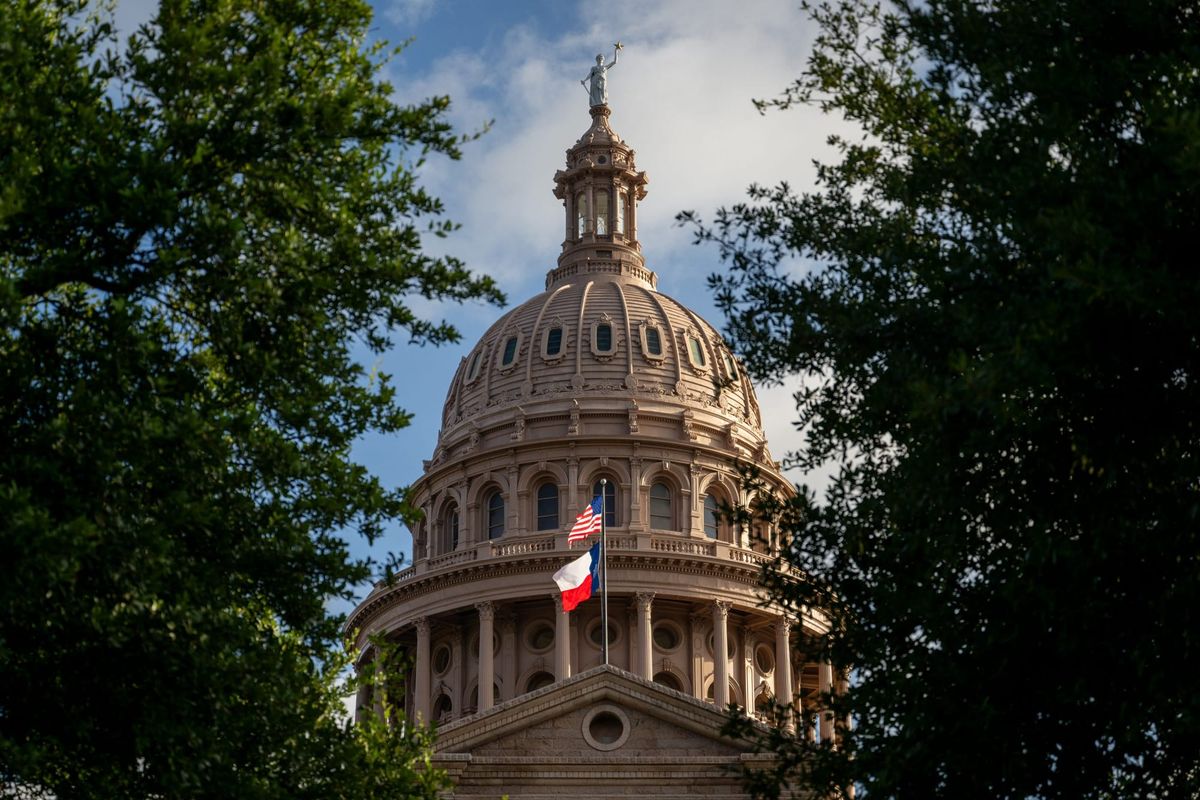
The Texas House of Representatives gave initial approval of Senate Bill 2 around 2 a.m. Thursday morning, with an 85-63 vote, largely along party lines.
What does that mean? Texas is on its way to one of the country’s largest tax-payer funded school voucher programs, a first for the state.
“For the first time in Texas history, our state has passed a universal school choice bill out of both chambers in the Texas Legislature,” Gov. Greg Abbott said in a statement, hailing the bill he spent the last two years pushing.
“When it reaches my desk, I will swiftly sign this bill into law, creating the largest day-one school choice program in the nation and putting Texas on a pathway to becoming the best state in America for educating our kids.”
Critics, of course, disagree.
“We’ve told the members here that doing this legislation, that passing this law, greatly endangers our schools, which are already hanging on by a thread,” Democratic Caucus Leader Gene Wu said. “The money that would go to this program would have gone to public schools, given our teachers a bigger pay raise, kept more schools open.”
Wu proposed an amendment, Amendment 37, which would rename SB 2 to Siphoning Classroom Assets for Millionaires, or SCAM. It was shut down by Republicans, along with more than 40 others.
Another one of those amendments was a bid headed by Rep. James Talarico to put school vouchers on the November 2025 ballot. Amendment 2, proposed by Rep. Harold V. Dutton, would have ensured that families who meet 300% of poverty guidelines received $10,000; this amount would lessen for families with higher incomes.
There was nationwide interest in the outcome — and rightfully so. “Universal school choice,” the carefully coded Republican platform to use public funds for private schools (mostly religious), was spelled out in Project 2025, the blueprint that, so far, the Trump administration has adhered to.
President Donald Trump even called via speaker phone to “rally the troops” at a House GOP caucus meeting, according to Quorum Report editor Scott Braddock.
The vote in the Texas House came as dozens of protesters assembled at the Capitol to voice their opposition to school vouchers. They chanted phrases such as “Fund our schools,” “No to vouchers,” and “Let the people vote.” Demonstrators occupied two floors of the Capitol rotunda and gathered outside the House chamber.
The Texas Freedom Network, a nonprofit that promotes civil rights and public education, organized the protest. Addressing the crowd, the group’s executive director, Felicia Martin, said: “It's my child's future. It's your child's future. But today that future is under attack because school vouchers will defer to our public school kids.”
The bill will create a $1 billion Education Savings Account program, allowing parents to use taxpayer dollars to fund their children’s private school education. The Senate approved its version of the bill in February.
And while Republicans love to use poll-tested phrases like “school choice,” the reality is that voucher programs like this are a giveaway to rich people who already send their kids to private school.
As The Barbed Wire has reported, the median private middle school tuition in Texas is more than $30,000 per year (and for private high school, it’s more than $35,000), according to the Education Data Initiative, but the voucher program will only pay parents $10,000 a year.
And in other states with similar programs, more than 75% of students receiving vouchers were already enrolled in private schools or were homeschooled.
What the bill will accomplish (besides giving wealthy people an extra $10,000 a year) is taking money away from already cash-strapped public schools. Currently, about 73% of Texas public school districts are underfunded, according to the Kinder Institute at Rice University.
Abbott made vouchers a priority this legislative session, but Texans don’t particularly like the idea. Around two-thirds of likely midterm voters in Texas oppose similar programs, according to a Z to A Research survey.
On the House floor, Rep. Ron Reynolds expressed concerns about the discriminatory impacts of the voucher bill. Indiana’s voucher program, for example, disproportionately benefited wealthy white families whose children already attended private schools, Reynolds said. According to WYFI, 64% of voucher users in the 2023-2024 school year were white.
Reynolds also mentioned a Century Foundation report claiming that voucher programs would further segregate students by race and class. In Texas private schools, roughly 55% of the student population is white, compared to the Black student population of 6.3%, according to ProPublica. Meanwhile, over half of students in state public schools are Hispanic or Latino.
The voucher bill will return to the Senate, and both chambers will iron out any differences in their versions.