Supreme Court Ruling on Texas Porn Case Could Have Major Free Speech Implications

This story was originally written by Jasmine Mithani and published by The 19th* News.
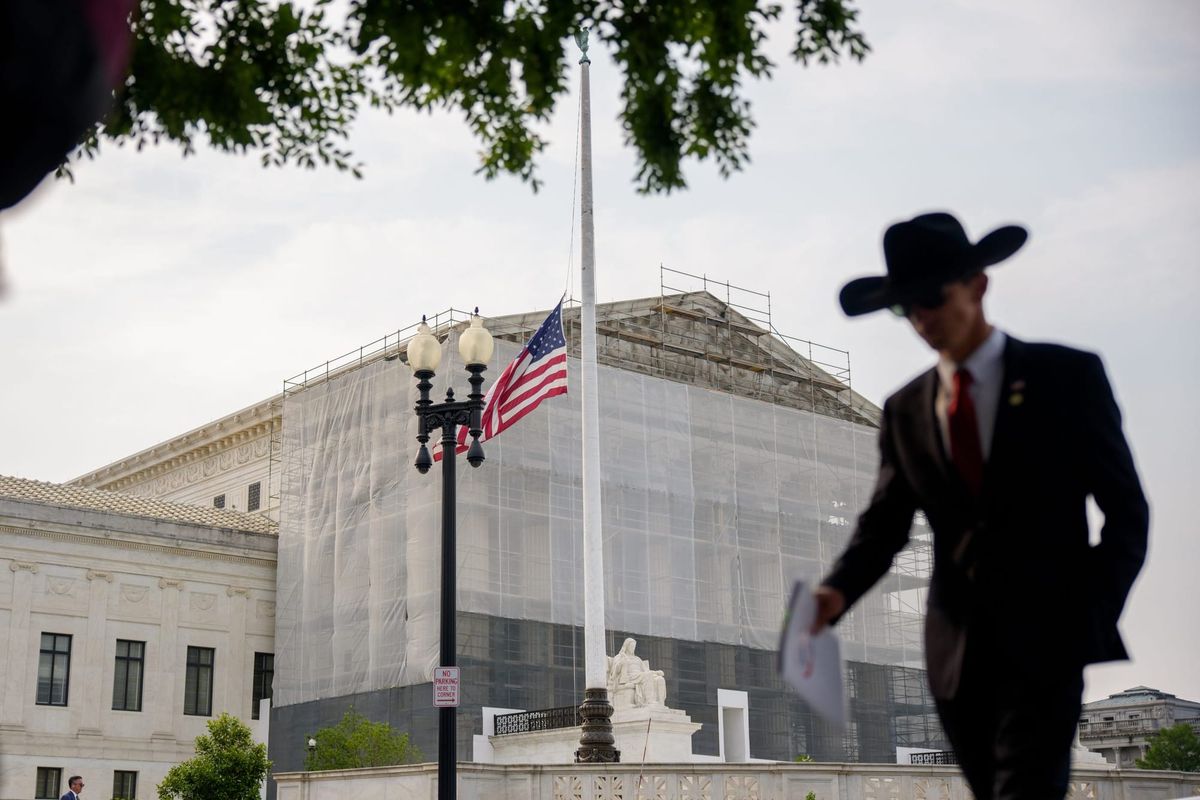
The Supreme Court ruled 6-3 Friday that age verification “porn ID” laws are an appropriate way to regulate content for minors without infringing on the First Amendment rights of adults.
The ruling, in Free Speech Coalition v. Paxton, has major implications for the accessibility of any online speech the government could decide is harmful to children.
Laws that potentially curb civil liberties are subject to rigorous legal standards. Two lower courts had applied different standards to the Texas law, and the Supreme Court decided that the 5th U.S. Circuit Court of Appeals’ lower standard was correct in this case. Strict scrutiny, the standard applied by the Texas district court, requires that a law must be narrowly tailored, further a compelling government interest and be the least restrictive option. The 5th Circuit used a lower standard, known as rational basis, to evaluate the law, essentially saying it has no potential to jeopardize freedom of speech.
The Free Speech Coalition, the adult industry trade group, joined several adult content companies and an anonymous creator to challenge Texas’ law. The organization has filed cases in different states challenging web-based age verification statutes over the past couple years.
Writing for the majority, Justice Clarence Thomas held that the law should be evaluated based on intermediate scrutiny, the standard in between, because it only “incidentally burdens the protected speech of adults.” Laws must further an important government interest and do so by “means substantially related to that interest.” Texas’ law survives this test, Thomas wrote. Justice Elena Kagan, joined by Justices Sonia Sotomayor and Ketanji Brown Jackson, dissented.
Thomas dismissed the argument about the risks of age verification in an online environment, contending that websites or third-party services “have every incentive to assure users of their privacy.” He also held that accessing pornography has always come with a stigma, sidestepping the way digital information on users is collected, bought and sold in today’s world.
He noted that under intermediate scrutiny, the law doesn’t have to address all aspects of the overarching problem of blocking children from seeing inappropriate material online. Representatives of the pornography industry had argued that Texas’s law exempted the places on the internet youth are most likely to encounter content considered obscene for them: social media and search engines.
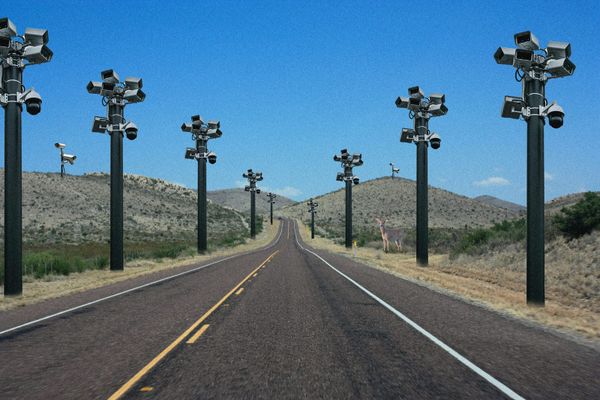
By saying the law does not have to meet strict scrutiny, the opinion paves the legal way for increased site-based age verification on the web. The privacy concerns accompanying the uploading of verifiable identification to sensitive websites are not seen as overly burdensome to adults.
Consequently, the court ruled restrictions on protected free speech for adults can be applied in the name of protecting children.
In 2023, Texas passed a law requiring websites with at least one-third sexual content — characterized as “material harmful to minors” — to verify the age of users using government identification or other reliable techniques. The law was initially blocked by a district judge, but then the preliminary injunction was overruled by the 5th U.S. Circuit Court of Appeals. The law has been in effect while the Supreme Court considered the case.
Many digital civil rights groups have raised the alarm over privacy risks of web-based age verification. Texas, like the majority of states, does not have a state-recognized digital identification system. Websites would need to contract with a third- party company that handles photos of physical IDs or runs face-scans to determine the age of users. The risk is compounded as a user typically must verify their age every time they try to view a page. Device-based age verification, where pieces of technology like phones or computers are age-locked, generally only requires identification once.
Critics of age verification laws worry how state governments will determine what kinds of content qualify as “harmful to minors,” especially as right-wing extremists increasingly characterise any type of LGBTQ+ media as inappropriate for children — or outright consider the existence of queer people to be pornographic. The ability to easily access information about reproductive health or dissenting political opinions could be targeted by laws championing children down the line.
In her dissent, Justice Kagan argued that Texas’ law regulated content and thus should be subject to strict scrutiny. She asked whether the age verification process outlined was the least restrictive way to keep access for adults while also preventing children from seeing sexual material online.
She emphasized the risks to privacy that the Free Speech Coalition and digital civil rights groups raised in their arguments.
“It is turning over information about yourself and your viewing habits—respecting speech many find repulsive—to a website operator, and then to…who knows?” she wrote. “The operator might sell the information; the operator might be hacked or subpoenaed.”
Kagan also drew a distinction between online age verification and flashing an ID momentarily in person: “The internet context can only increase the fear.”
By saying the law does not have to meet strict scrutiny, the opinion paves the legal way for increased site-based age verification on the web. The privacy concerns accompanying the uploading of verifiable identification to sensitive websites are not seen as overly burdensome to adults.
Consequently, the court ruled restrictions on protected free speech for adults can be applied in the name of protecting children.
In 2023, Texas passed a law requiring websites with at least one-third sexual content — characterized as “material harmful to minors” — to verify the age of users using government identification or other reliable techniques. The law was initially blocked by a district judge, but then the preliminary injunction was overruled by the 5th U.S. Circuit Court of Appeals. The law has been in effect while the Supreme Court considered the case.
Many digital civil rights groups have raised the alarm over privacy risks of web-based age verification. Texas, like the majority of states, does not have a state-recognized digital identification system. Websites would need to contract with a third- party company that handles photos of physical IDs or runs face-scans to determine the age of users. The risk is compounded as a user typically must verify their age every time they try to view a page. Device-based age verification, where pieces of technology like phones or computers are age-locked, generally only requires identification once.
Critics of age verification laws worry how state governments will determine what kinds of content qualify as “harmful to minors,” especially as right-wing extremists increasingly characterise any type of LGBTQ+ media as inappropriate for children — or outright consider the existence of queer people to be pornographic. The ability to easily access information about reproductive health or dissenting political opinions could be targeted by laws championing children down the line.