Black-Owned Bookstores in Texas Bring Communities Together. They’re Also Harassed and Vandalized.
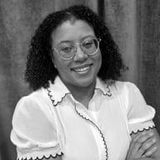

Fort Worth sisters Donna and Donya Craddock refer to 2020 as “the unicorn year.”
There was the COVID-19 shutdown, but there was also something more — a death that prompted a period of racial reckoning.
On May 25, 2020, George Floyd was murdered on camera by a white police officer in Minneapolis, Minnesota. What followed were the largest nationwide racial justice protests since the Civil Rights Movement in the 1960s.
“The United States of America was really wanting to have conversations and wanting to learn from each other and come together,” Donna told The Barbed Wire in a recent interview.
The Craddocks held a soft-opening for The Dock Book Shop in Fort Worth on Mother’s Day weekend in 2008. Shoppers skimmed through copies of “The Parable of the Sower” and books by Black authors as soft jazz played in the background.
“The community supported us,” Donna said.
But a community is not a monolith: In 2017, their front window was broken. Some months later, a man came up to them during closing and spit on them.
Then, after Floyd’s death, the bookstore saw more customers and eventgoers wanting to talk and learn about race in America than ever before.
“We became a space for one-on-one conversations and group conversations,” Donya said. “Just to be heard.”
“Black bookstores were seeing sales and profits that they hadn’t seen in a long long time,” said Char Adams, author of “Black-Owned: The Revolutionary Life of the Black Bookstore.”
“But that was only a four month period” after Floyd’s death, during the height of Black Lives Matter protests, Adams added.
Since 2020, 11 Black-owned bookstores have opened their doors in Texas, according to a directory compiled by the National Association of Black Bookstores.
There are many still standing, but, Adams said, “Today, Black-owned bookstores are still struggling.”
Donna and Donya agree that “there’s been a decline.”
And closures aren’t just financial.
BlackLit, the first Black-owned book store in the Metroplex suburb of Farmers Branch, closed its brick-and-mortar store after months of harassment in Nov. 2024, according to KERA News. The community had celebrated the store’s two year anniversary a month prior. Requests for an interview with BlackLit’s former owners were not answered.
Brown Sugar Café & Books opened in 2022 but was vandalized with racist graffiti a month before its grand opening in Katy. The owner, Raven White, closed the storefront in 2024 and opened a new store in Chicago the next year. Requests for an interview with Brown Sugar Café & Books’ former owners were not answered.
Times of political upheaval, violence, and racial reckonings tend to have disproportionate impacts on Black educators and journalists, as Taylor Crumpton previously wrote for The Barbed Wire in the aftermath of Charlie Kirk’s murder. In the weeks after Kirk’s assassination, multiple historically Black colleges and universities were placed on lockdowns and experienced terroristic threats. Meanwhile, Black students were expelled or forced to withdraw for expressing their first amendment rights.
Crumpton reached out to numerous experts after Kirk’s assassination about safety at HBCUs and only heard back from one. “In all my years of journalism, I’ve never seen so much fear from subject matter experts,” she wrote.
The racial makeup of the more than 350 complaints filed against Texas teachers for alleged comments on the killing of Kirk has not been reported. As book bans make headlines across the country, it’s important to note that the majority of banned books are by Black authors — a University of Colorado Boulder study found that authors of color were 4.5 times more likely to be banned than white authors.
‘A Watershed Moment’
In Houston, more than 250 miles across the state from the sisters’ North Texas shop, CLASS Book Store opened its e-commerce store in November 2020. On Dec. 3, 2022, it opened a brick-and-mortar location in the Third Ward, which is 56% Black, and is just a five minute walk from Yates High School — the same one George Floyd attended.
“George Floyd’s murder was a watershed moment that happened not only in the history of this country but the world,” said David Landry, co-owner of CLASS Book Store.
“2020 was this racial reckoning and there was this national conversation about Black-owned bookstores and their place as sites of education,” Adams said. But those same times that disproportionately harm Black Americans may also be “the times that are most profitable for Black owned-book stores,” he added.
“When people are overtly confronted with politics and with questions of race, they tend to go to Black-owned bookstores,” he continued. “People have come to us at both our pop ups and brick-and-mortar store and said, ‘Hey I want to get this book from y’all because I feel like if I don’t now, eventually it won’t be available.’”
Yet even when people are engaging with questions of race, educating themselves, and attending events, as Adams said, “A Black-owned book store is more likely to close than to last.”
According to Adams, adaptability, community, and innovation are the main things that impact a Black-owned book store’s survival. CLASS Book Store and The Dock Book Shop both host events and act as a center for their communities.
During winter storms, the former store serves as a warming center.
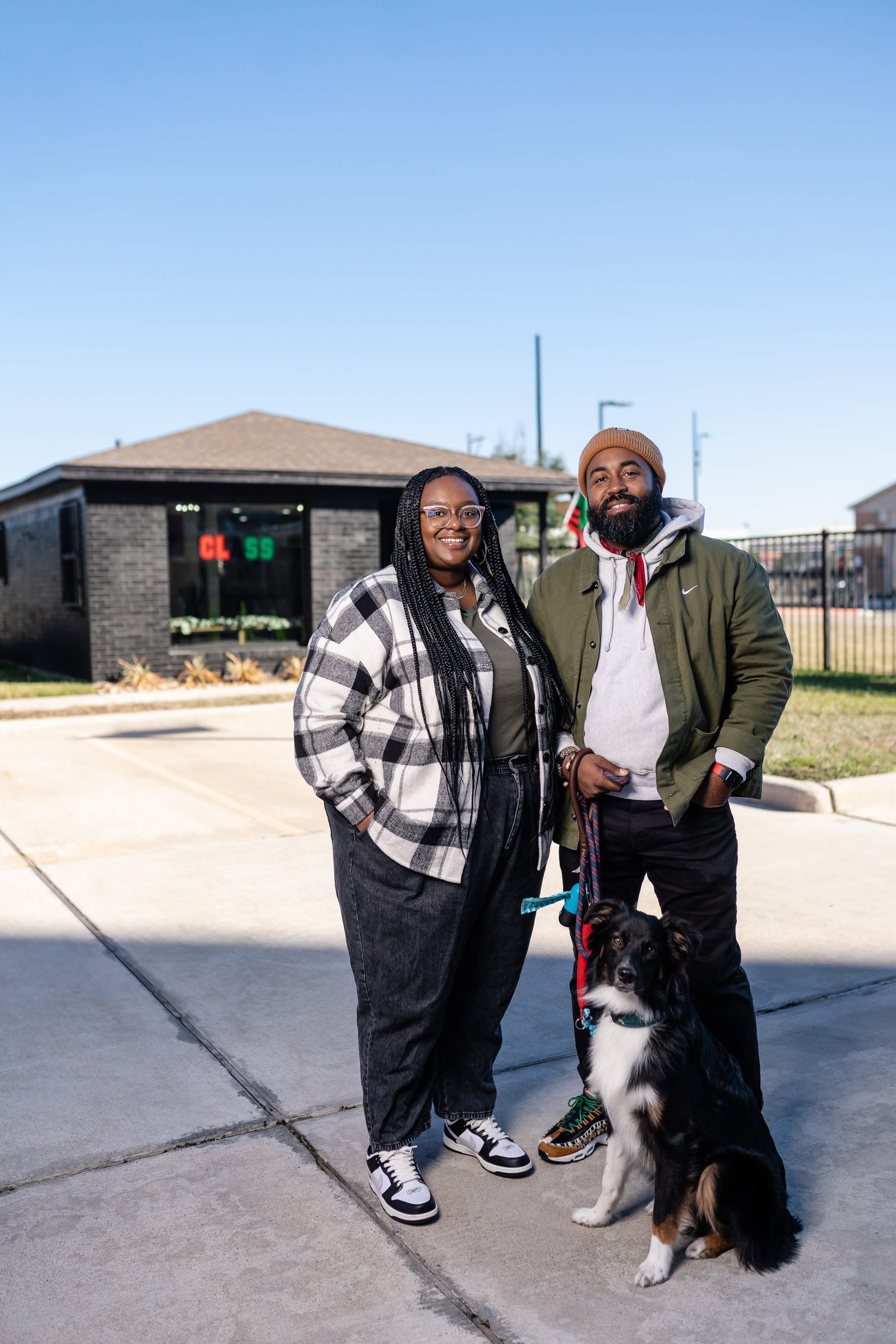
The Book Readers Venue opened in 2022 in Humble and formed its community around books written by independent romance authors.
“Not only was it a Black-owned bookstore, it was a Black-owned bookstore whose niche was the community of Black and brown authors,” Sherrelel Goloversie said.
In April 2025, when Ohio state Sen. Nina Turner called for a national boycott of Target following a rollback of the company’s diversity equity and inclusion commitments, Goloversie saw an increase of shoppers at the Book Readers Venue.
“That was when I started to see my first real turn around in terms of consistent book sales every day,” Goloversie said.
A year later, the 180-square-foot bookstore still stands defiantly and — despite anti-DEI policies — Goloversie says that, at the end of the day, they just sell books. “It’s not harmful” and “nothing major,” she said.
But after years of studying Black-owned book stores, Adams disagrees.
“Black owned book stores as a whole — as a concept — are revolutionary just in the context of what reading and books and education has been to Black people in this country,” Adams said.
She continued, “There was a time when Black people were beaten and killed for attempting to read.”