Tarantulas, Coyotes, and Rattlesnakes: Put Some Respect on Their Names

Texas is a land of varmints. It’s a specific title, one not bestowed on every creature in the Lone Star State. The bison is not a varmint, because the bison is largely gone; the same can be said of the pronghorn, the wolf, the jaguar. To be a varmint is to be placed in opposition: an animal living happily where people — for reasons of practicality, economics, or pure aesthetics — wish it wouldn’t. A varmint is a stubborn holdout.
For some people, that’s enough to malign them. Take a closer look, however, and there’s a lot to like.
Take the Texas brown tarantula, a spider that often finds itself an unfortunate target. Tarantulas belong to an old family of spiders, one that digs small apartments for themselves under rocks or logs, laying out triplines for prey — generally pest insects like grasshoppers — and keeping wholly to themselves, with the exception of the tiny frogs they sometimes keep as roommates.
The sole exception is during the mating season, when fully grown males spend the end of their lives wandering in search of females. (Tarantula courtship is a tricky business: if she’s not receptive, she might eat him.)
Their greatest sin is their adaptability: their ability to continue making a living, come what may, in an increasingly hostile landscape.
They’re dangerous only to unwary insects and each other: not only does it take persistent harassment to get a tarantula to even consider biting, their nip is about on par with a bee sting. Frankly, it’s hard to imagine a shyer, more inoffensive animal: faced with danger, the tarantula’s first thought is to scurry into the nearest hole.
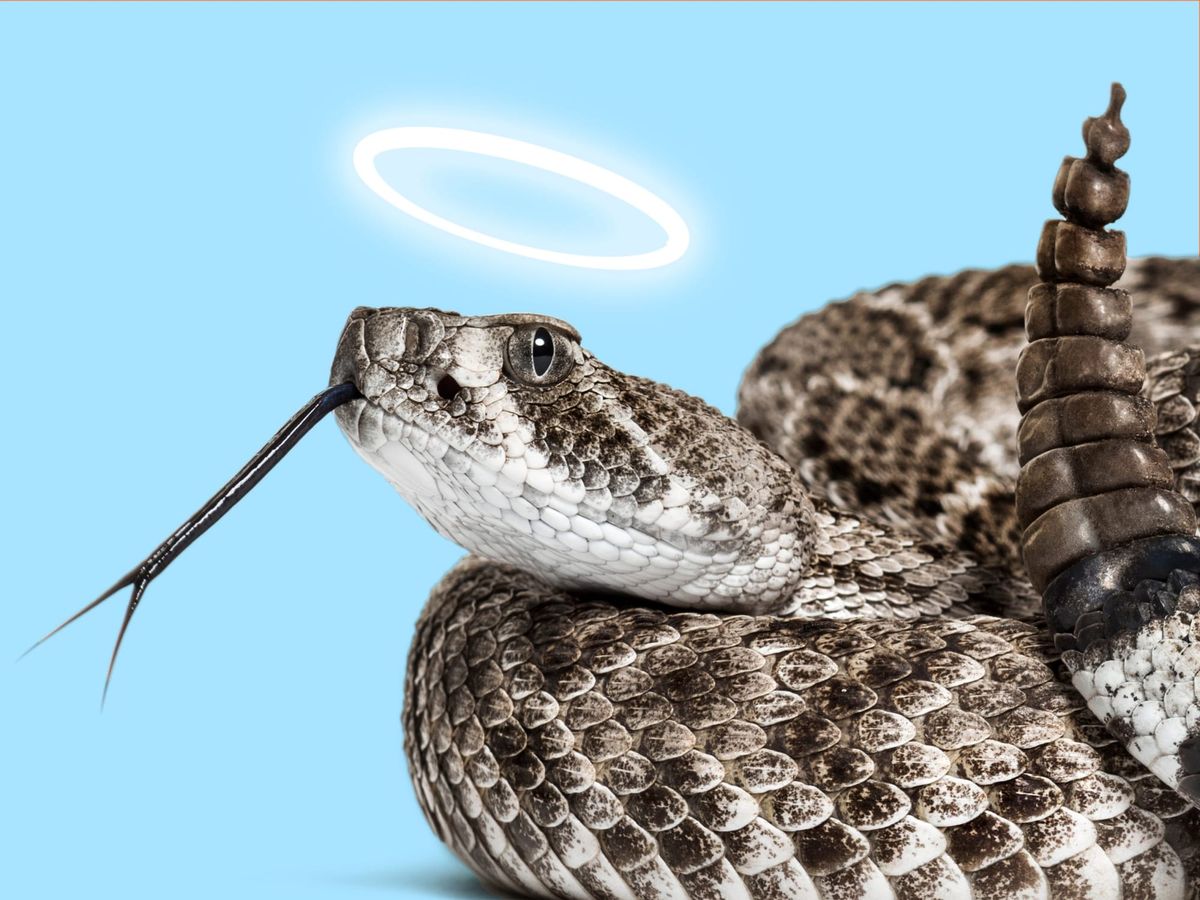
Much the same can be said of the western diamondback rattlesnake, an animal often attacked and killed on sight throughout the state. It’s true that their bite contains a cocktail of venom that can wreak havoc on anyone unwise enough to be struck.
But rattlesnakes, contrary to their aggressive reputation, are defensively minded creatures: their rasping rattle and high, tight coil is a direct warning that they want nothing more than an intruder to go away. Even that fearsome venom is mostly deployed for the purpose of eating rats and mice, a genuine ecosystem service that people tend to miss when it’s gone.
Taken on their own terms, rattlers are cautious, patient and — among themselves — rather personable: winter finds rattlers denning together in annual social groups that can last for years.
Formidable and potentially dangerous? Certainly. But treat them with respect and you’ll have no issues. Throughout most of their range, you’ll hardly see them at all, which is just how rattlers — and for that matter, all snakes — prefer it.
Not all varmints shy away from human contact, of course. The great-tailed grackle is majestically unconcerned with us. Originally imported into the valley of Mexico by an enchanted Aztec emperor, the birds happily spread north over the intervening centuries, following the spread of agricultural land and urban plazas — which, in Texas, generally means parking lots.
They are smart, adaptable, bold, and entertainingly buffoonish, with a rich social language of courtly gestures and aggressively silly romantic overtures. Grackles form parallel cities over and around our own: they bathe at our watering holes and frequent our restaurants, swaggering about and regarding people with no deference whatsoever.
Nobody has told grackles that humans consider themselves the most important animals around, and if someone did, it’s hard to imagine the grackle would care. It is this unimpressed attitude and dismissive approach to property rights, one suspects, that has led people to take offense.
But why shouldn’t grackles swagger? Humans have created for them a world of plentiful food and lodging, and they’d be fools not to take advantage of it.
Similarly ubiquitous throughout the states’ major urban areas — but wisely keeping out of people’s way — is the coyote. There are a number of myths that cast the wild dogs as scheming, aggressive, or duplicitous.
They are, in fact, quite straightforward animals: they hunt whatever they can find, raise their pups as best they can, and do their best to avoid being spotted. (It is true that they will happily eat an outdoor cat, should its owners be so irresponsible as to let it wander: but in their defense, why should a coyote regard a cat differently than a possum or raccoon?)
On ranches, coyotes are a threat to young livestock: on the other hand, the coyotes were there first. Their numbers have exploded entirely due to humans wiping out every other large predator on the landscape. Coyotes survive, and will continue to survive: this is what seems to annoy people most about them.
But this is a mark in their favor, as it is for many of the states’ other varmints. Their greatest sin is their adaptability: their ability to continue making a living, come what may, in an increasingly hostile landscape. If Texans pride themselves on their grit and toughness, these are qualities to be found in abundance among our most hated neighbors — neighbors whom, when treated with a modicum of respect, generally keep to themselves.
To be a varmint is to be a creature determined to stick in the craw of a world determined to digest them. It is to refuse to be pushed aside, just because you are inconvenient. What, at the end of the day, can be more Texan than that?