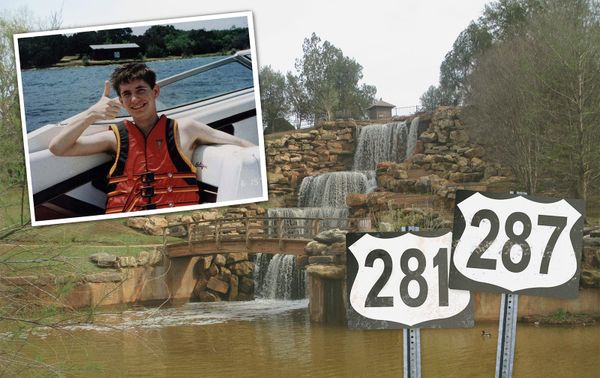
I'm in Love with a Dead Man
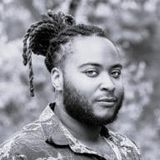
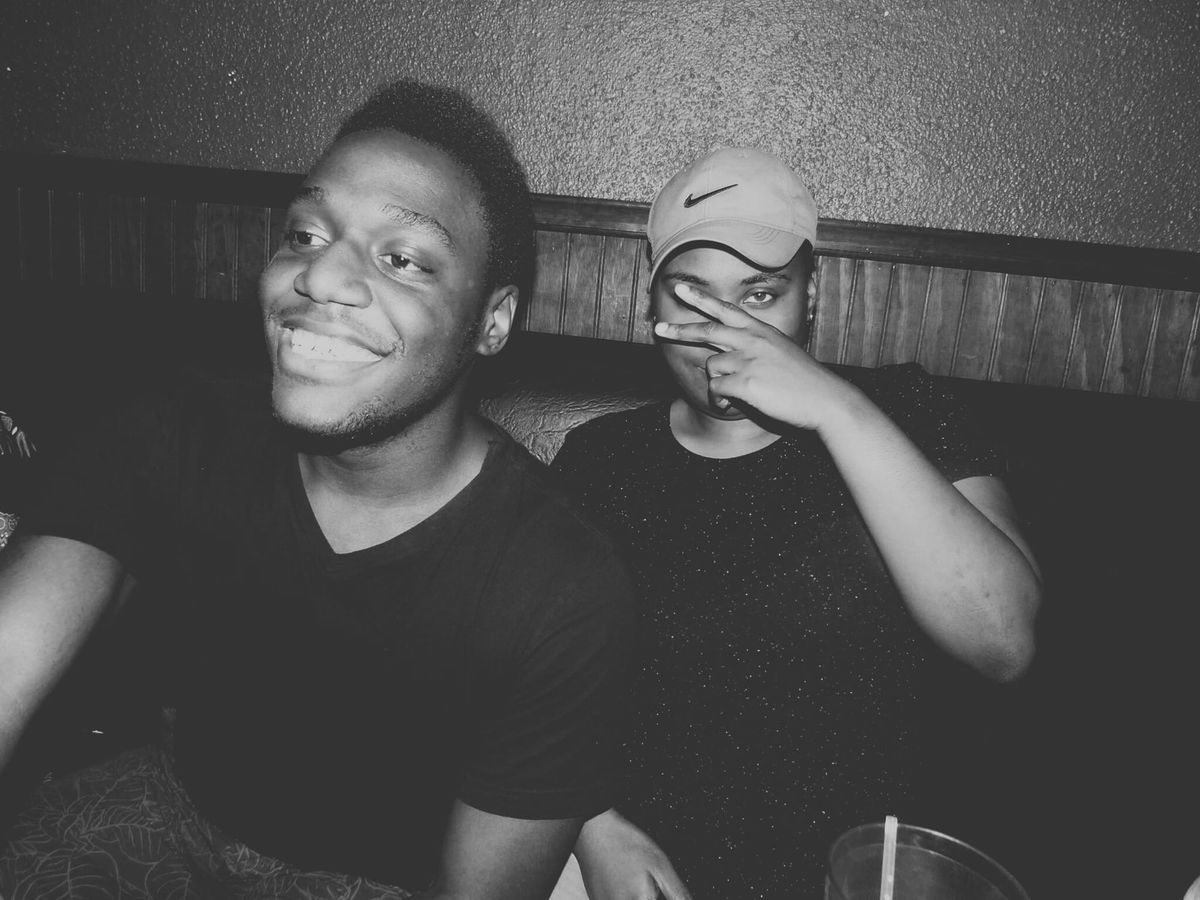
Last month, I went to my homegirl’s wedding. We’ve been cool since high school, and the wedding was in our old stomping grounds: the south-eastside of Fort Worth. Aside from a few folks here and there, the reception was all-Black — chopped and screwed music flowed from crackling speakers to our nostalgic ears. The DJ cued up Damn D’s “Love Me,” and just like that, I was transported back to 2009, in the bed of a pickup truck, laughing and sipping on Four Loko’s underaged with my first love.
To be clear, my first love was not a romance. We met in the hallway of Dunbar Middle School (now J Martin Jacquet), locked eyes, and saw family. My love was a 5 '9, snaggle-toothed, larger-than-life gay boy with a determination to make something of the life that he’d been handed.
He was a product of Fort Worth — its poorer, Blacker corner called Stop Six where eldest boys like him had to cook, clean, and take care of younger siblings while their moms worked shift after shift. In between his many obligations, he wrote poetry, songs, plays, and short films. He sang and acted and rapped and made beats on FL Studio. Truly, if he put his mind to it, he could do anything. The slick-mouthed MF could make friends with a door handle, so long as it had breath and perspective.
From ages 14 to 21, I clung to him to get through all the hard-hearted days of my teens. It was palpable, the queerness oozing off of us in an uber-religious setting, the sadness we carried but couldn’t name. Tunes like “Love Me” take me back to evenings on ooVoo with our high school friends — all married with kids and bills these days — and nights dancing while sweat glistened on the back of our necks at Stonewall Warehouse in San Marcos (RIP).
When Damn D slurs “certified player they gone haaaaate me,” I see his little meaty fingers throwing up fake gang signs, looking over at me to make sure I’m watching (I was always watching). I hear his hearty laugh, a laugh I’ll never hear in-person again.
My friend died in 2016.
It was sudden, unexpected; he was the closest person to me at that point in my life that had ever passed. Every day for seven years I laughed, confessed my secrets to, and made music with someone who was, all of a sudden, unreachable.
Despite all the ways we try to claim our own experiences as unique, grief is as mundane as the sun shining on a Texas summer day. It’s the one thing we all know since living means we will outlive somebody that we love. It’s common, even universal, this pain we are subjected to.
Weaving his life into mine on the page is the best way for me to love a dead man.
For two years, I went through every cycle of grief and then some: hating him for leaving, romanticizing all our memories, being unable to get out of bed — everything that makes “moving on” impossible. To be honest, my grief made me unrecognizable. By mid-2018, I broke up with a long-term partner, parted ways with most of my friends, and moved to a city where I knew no one and had no job. Once I was at my literal bottom, I realized I had to change.
I had to find a way to not cry every time someone said his name, or turn off a song that reminded me of him, or avoid entire swaths of Texas, or be mad at folks for daring to be happy while I lived without my love. I had to find a way to make the bond we’d built over seven years not feel like a sharp edge that cut me and anyone I was around.
I started therapy for the first time in fall 2018. Within the first few sessions, my therapist asked: “How do you preserve your memories?” Without missing a beat, I said: “Writing.” Writing about my friend at the request of my therapist was how I finally started to heal. It is the best way I know to honor the complicated memory of our love.
It’s a miracle that our friendship even existed. We were two Black queer kids in a city — and state — that would rather we didn’t exist. We paraded our love around the Northeast Mall, and the Parks Mall, and La Gran Plaza, and every street in south-east Fort Worth every time we used our two good legs. We made any place where we could interlace our fingers a safe space.
We had no business finding love; we surely had no business finding it in each other, but we did. For seven years, we did. That is a phenomenon worth preserving. Through writing about our days, including days we listened to Damn D, I get to breathe life back into him.
I recognize that trying to reincarnate someone is as futile as death itself. I’ve started and stopped many lines about the particular wool of his hair; I’ve composed many clauses trying to recreate the feeling of his skin. With creative writing, I get to keep loving him and acknowledge the things that can’t change (like the fact of his passing, or the many things he never told me). In a way, though, by writing about it, I’ve learned so much about our friendship.
I want to live in those irresponsible days when I spent weekends doing teenage stuff with my friend. Writing is the best way to love a man who freeze-framed the day that he left me. Yes, it’s sad that there are things I can’t tell him, milestones he didn’t get to see. But I also get to hold onto what he did see and what I did tell him.
Memory is fickle. Dates and times and locations become fuzzier as his departure grows further and further from my present. It feels urgent to me, then, to write what I remember in poems, essays, books — things that will outlive us both. In every book I’ve published, there’s a piece about him. In my book in-progress, our relationship takes center stage.
Weaving his life into mine on the page is the best way for me to love a dead man.
There’s a quote attributed to the street artist Bansky: they say you die twice. One time when you stop breathing and a second time, a bit later on, when somebody says your name for the last time. That’s why I’ve introduced you to Travis E. Green, and continue to share his zest, his little twisted walk, his purple-pink gums with the world in my literature.
I heard a song at my friend’s wedding, thought happy thoughts about my love, and then continued loving in the present. That is the work of the living.