Black Dandyism, the 2025 Met Gala Theme, Grew Out of Southern Churches

André Leon Talley is the patron saint of the Met Gala. A Black gay man who grew up in the Jim Crow South, he became one of fashion’s biggest stars. Before his death in 2022, Talley helped dress Michelle Obama as first lady, served as creative director and editor at large at Vogue, and judged “America’s Next Top Model.”
It was his name, his ingenuity, his legacy that was immortalized among the white and yellow daffodil lined steps Monday night at the Metropolitan Museum of Art for the annual Costume Institute gala, one of the biggest nights in fashion. The Met steps, which he made his own through sharp, poignant, cultural savvy fashion commentary during his tenure as the host of Vogue’s Met Gala livestream.
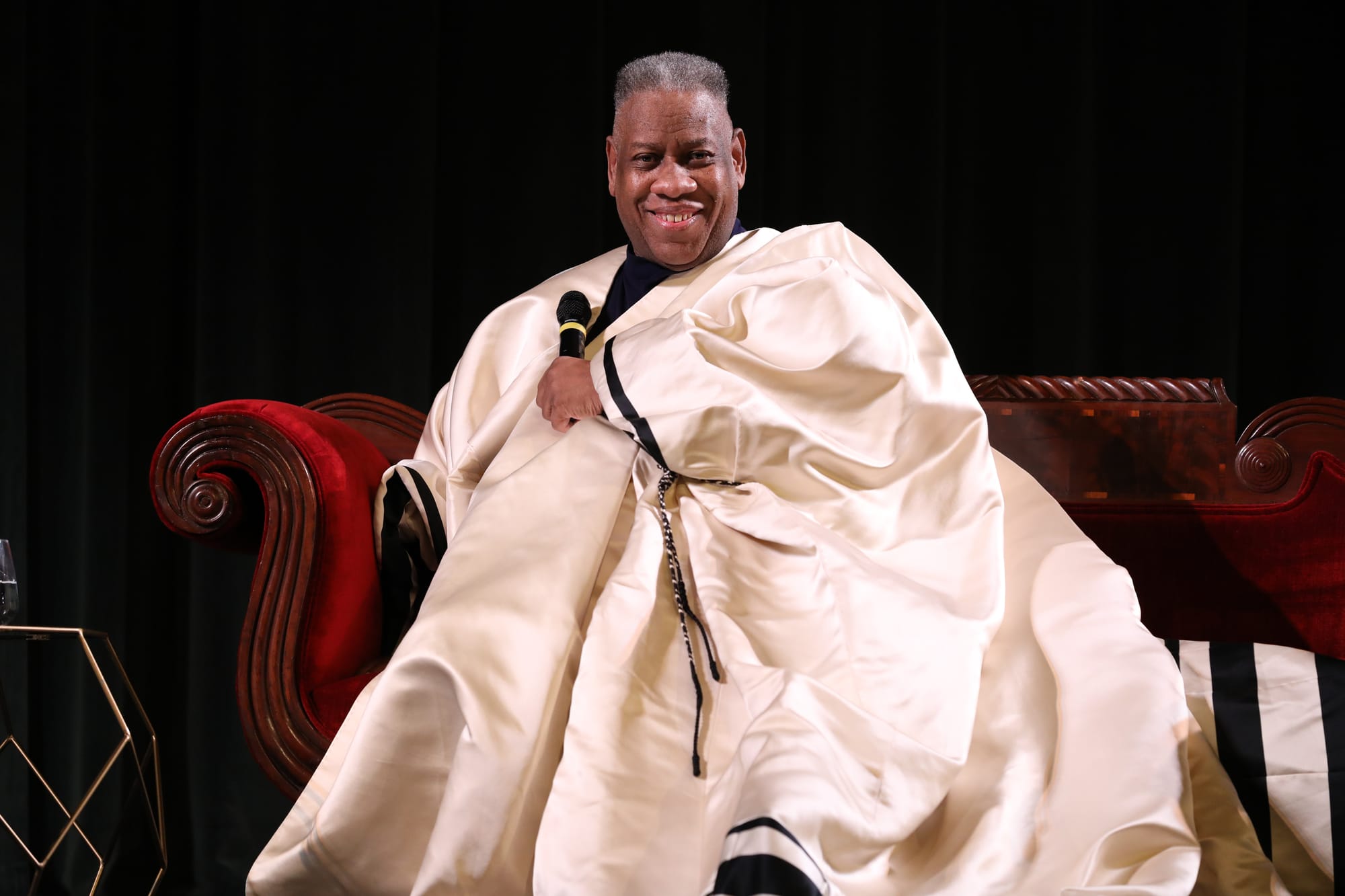
The greatest disappointment of last night’s Met Gala is that Talley was not in attendance. Although his presence and influence was felt throughout the night’s events, he was not able to bear witness or participate in the first gala focused exclusively on Black designers and style. However, without his legacy and the southern Black churches that instilled the values of adornment and self-preservation through dress, “Superfine: Tailoring Black Style,” wouldn’t exist. His death was the catalyst for this year’s Met Gala and costume exhibit, according to co-curator Andrew Bolton.
The prodigal son of North Carolina first learned the value of luxury through his grandmother’s cleaning routines of starched shirts, ironed sheets, and impeccable lace work. It was not legendary Vogue editors Anna Wintour or Diana Vreeland who taught him the standards of which fashion should be judged upon, but Bennie Frances Davis, his grandmother and caregiver, who cleaned the men’s dormitory halls at Duke University.
There is beauty, faith, hope, and luxury in the South. Those basic tenets, which guided Talley’s life, were not limited to New York, London, or Milan. No, their origin place was in the church.
“Going to church, the way you dressed, you learned how to be,” he said in a 2018 interview to Garden & Gun. “In the black South, the church culture was almost like a finishing school.”
The Black dandy — central to the new Costume Institute exhibit, “Superfine: Tailoring Black Style,” and 2025 Met Gala theme — has roots in the church. It was the only place, during times of enslavement and race based disenfranchisement, where African Americans could display their custom-made, tailored pieces, which were composed of repurposed clothes, buttons, and ribbons.
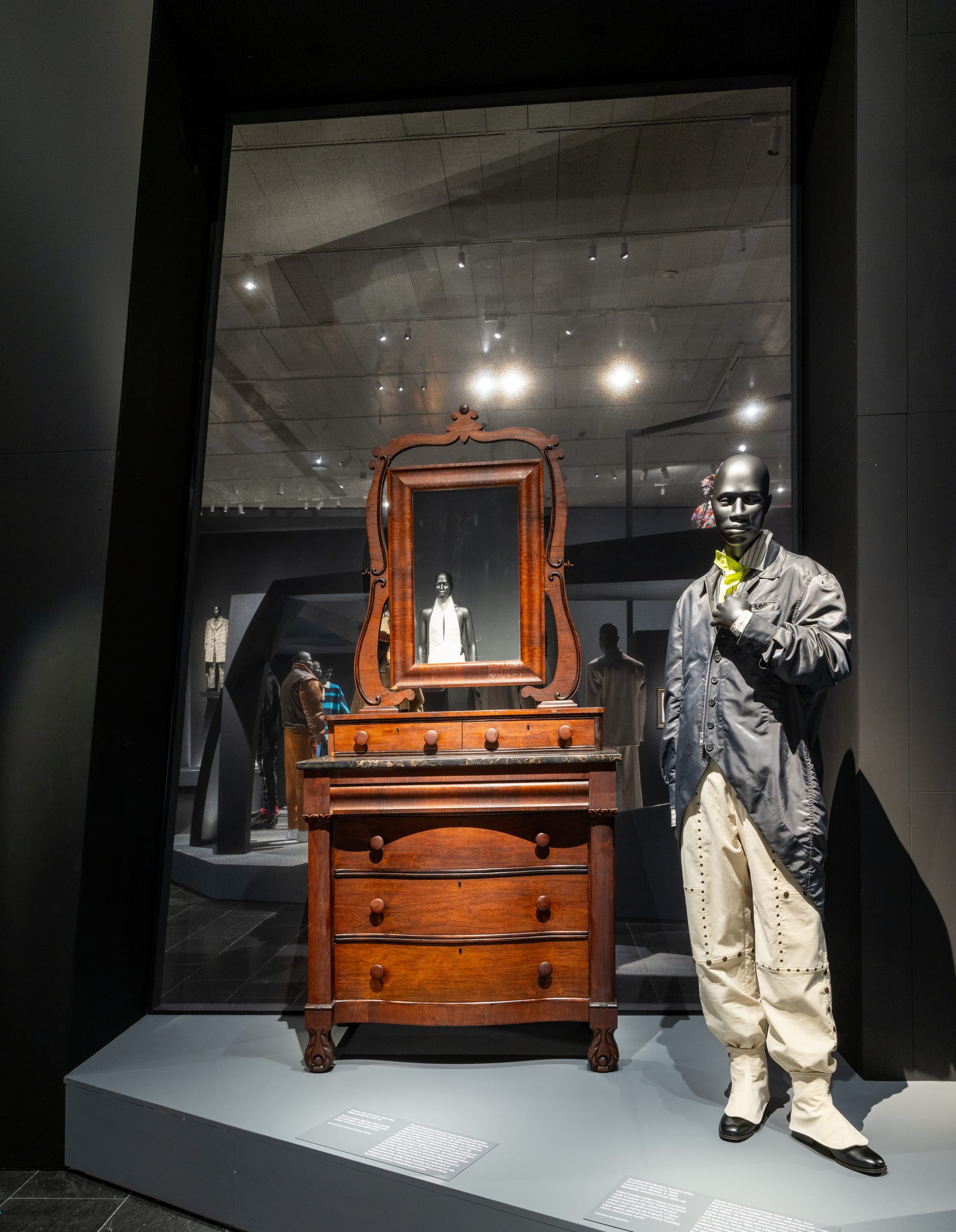
In the months leading up to the Met Gala, the Trump Administration has worked to eliminate the historical and cultural contributions of African Americans and LGBTQ people from America. A series of executive orders to undo the progress made by diversity, equity, and inclusion initiatives, are part of an attempt to omit Black people and Queer people, in favor of a white, homogenous depiction of America to the world. But, the Black dandy has always been a face of political opposition and resistance. And the spirit of that was felt on the red carpet and the new Met exhibit. But Black fashion has always been political. The South Carolina Negro Act of 1735 dictated what cloths, linens, cottons, and garments African Americans had access to.
The lower quality textiles that were provided to African Americans were damaging and harmful to their skin. It was meant to be a signifier of their status: not human, but property, a good whose value was determined by their labor. Yet, on Sundays, in the church, where they were able to don clothing and apparel that made them good, they were seen as human, as Black people. That would be impossible without the contributions of the first generation of Black fashion designers in the South and the church.
“Church was my first fashion show, and my grandmother was my first client. She is one of the reasons that I fell in love with fashion and style,” said celebrity stylist Law Roach in an interview with GQ and Vogue. “My grandfather was a pastor, so I went to a Baptist church in Chicago. My cousins and I had clothes we could play outside in, then we had church clothes. There were always eccentrics in church. I got really familiar with the word peacocking — and the male peacock is the one with the beautiful feathers, the vibrant color.”
Known for his show-stopping looks with Zendaya, Roach served as the curator for Burberry’s table at the Met Gala. The table, a who’s who of stars in fashion and entertainment, featured Philadelphia Eagles quarterback Jalen Hurts and André 3000. Roach described Hurts as “a dandy in the making” to Vogue.
Atlanta native André 3000 continues to be an example of how the contemporary Black dandy evolves over time. From his eye-catching tailored vintage suits as a member of Outkast, to last night’s Burberry x Benji Bixby jumpsuit, the Southern Black dandy carried on the spirit of innovation that was first birthed in churches throughout the Southern U.S. Although she was not present at last night’s Met Gala, in years past, Erkyah Badu has brought the spirit of the Black Southern female dandy, known as a quaintrelle, to the red carpet.
There was another Southern Black female dandy in attendance last night. No pictures of her made best dressed list, however, the night would not exist without her genius. Zora Neale Hurtson’s 1934 essay, “The Characteristics of Negro Expression,” was used to arrange the 12 characteristics of Black dandyism in “Superfine: Tailoring Black Style.” In the essay Hurston writes, “The will to adorn is the second most notable characteristic in Negro expression. Perhaps his idea of ornament does not attempt to meet conventional standards, but it satisfies the soul of its creator.”
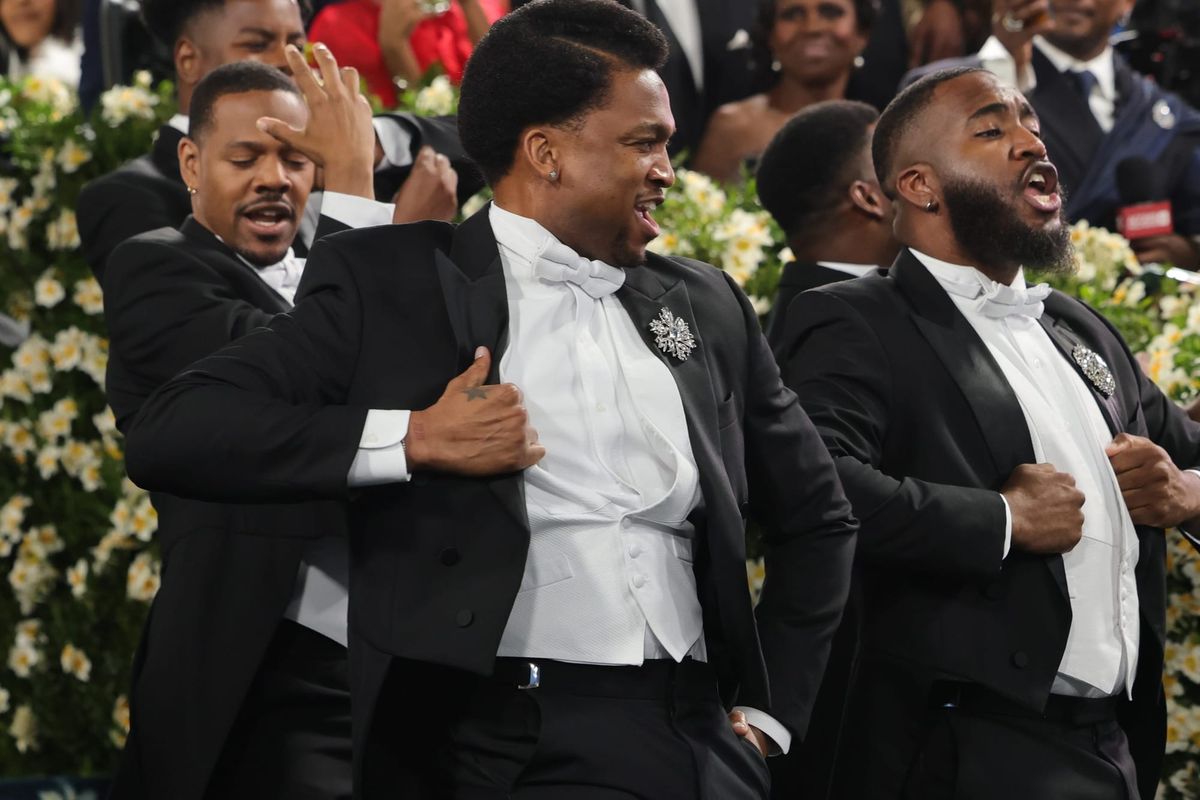
Black style has always been synonymous with the divine. Whether that divinity be God, or last night, the spirit of André Leon Talley, there is a through line from the Black church to the Met Gala. It is fitting that a gospel choir opened up last night’s Met Gala with a rendition of “Ain't No Mountain High Enough,” at the top of the steps, where Talley once stood. It was a sendoff, a homegoing service for the young Black gay boy from the South who finally made it up the mountain.